
AI Will Never Replace the Human Musician
AI can generate sound, but it cannot live a human life — and great music is born from lived emotion, risk, and presence. As synthetic music grows, the authentic human voice will only become more valuable.
2/22/20261 min read
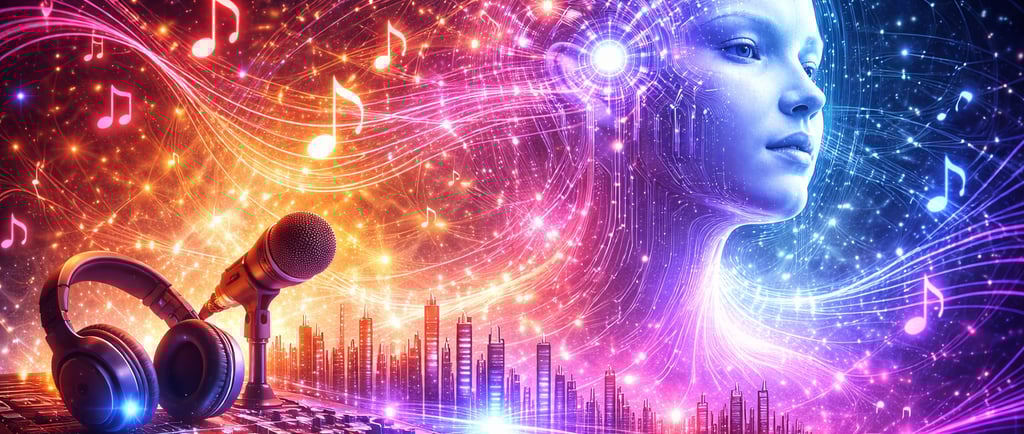
There’s a lot of noise right now about AI making music. It can generate melodies in seconds. It can imitate voices. It can even produce full songs that sound polished on the surface.
And still… something essential is missing.
Music was never just about getting the notes right. The moments that stay with us — the ones that give us chills — usually come from somewhere much deeper. They come from lived experience. From heartbreak, healing, longing, hope. From the quiet inner places a human being has actually walked through.
AI can study patterns in music. It can rearrange what already exists. But it doesn’t live a life. It doesn’t lie awake at night searching for meaning. It doesn’t grow through seasons of doubt and courage. And because of that, it cannot fully carry the weight that real human expression holds.
Listeners feel this, even if they can’t always explain why.
We are incredibly sensitive to authenticity. To breath in a vocal line. To the slight imperfection in timing. To the fragile edge in someone’s voice when they really mean what they’re singing. These things are not flaws. They are often the very reason a song feels alive.
As AI music becomes more common, this distinction will likely become even clearer. When the world fills with perfectly generated sound, the music that feels human — raw, present, emotionally honest — will stand out more, not less.
AI will absolutely become part of the creative process. It can be a helpful tool. It can remove friction. It can open new possibilities for independent artists.
But a tool is not a soul.
The artists who will continue to matter are the ones who lean deeper into what only humans can bring: presence, vulnerability, lived truth, and the courage to express something real.
In the end, the human voice is not becoming obsolete.
It is becoming rare.
And rare things, especially in art, tend to become more valuable over time.
Contact
Reach out for collaborations or questions
art@olgajoy.com
© 2025. All rights reserved.